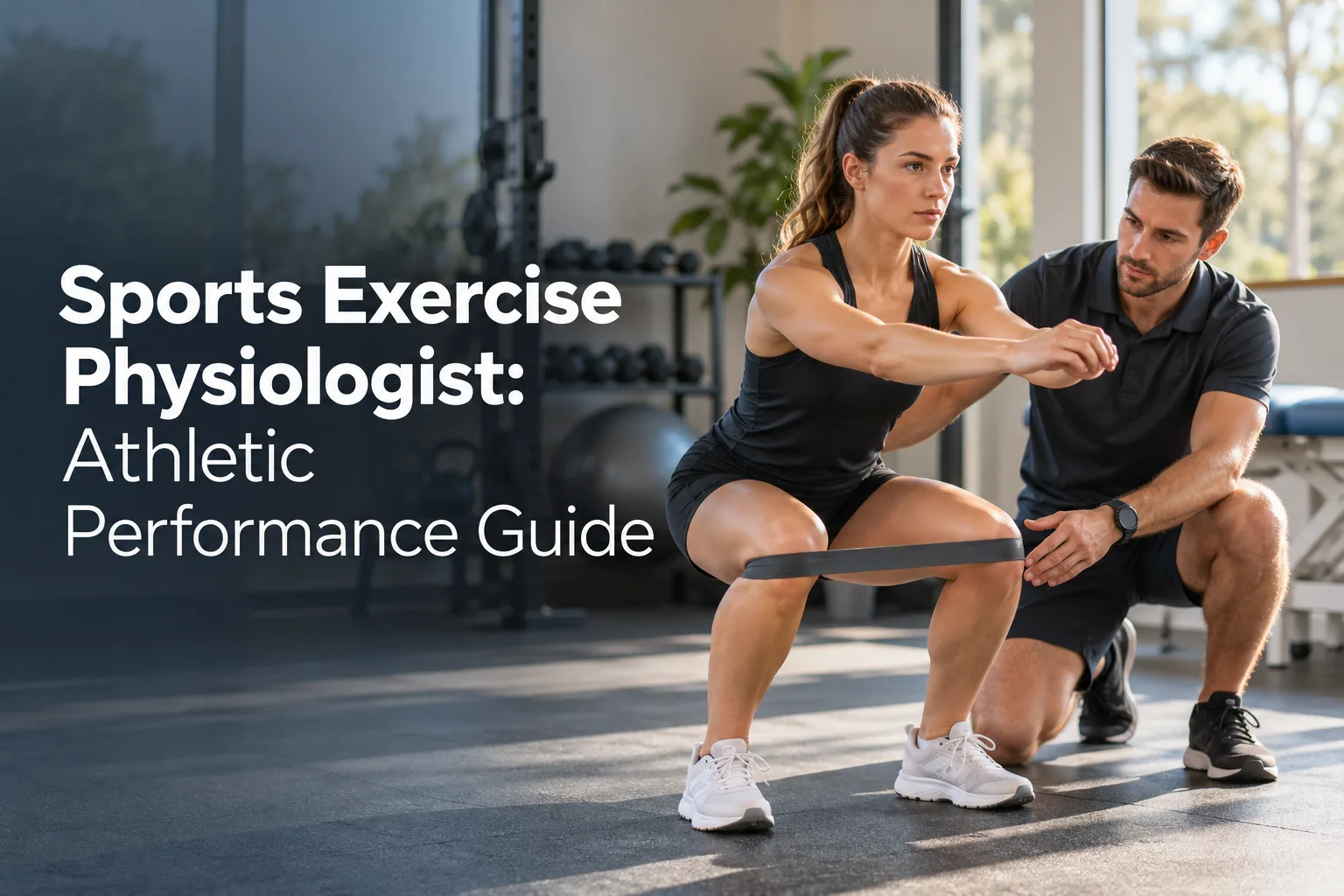
What Is a Sports Exercise Physiologist?
A sports exercise physiologist is a university-qualified allied health professional who specialises in the science of how the body responds and adapts to physical activity. Unlike a general fitness coach, an exercise physiologist uses evidence-based assessment to design, deliver, and evaluate exercise interventions for people with a wide range of health and performance goals.
For athletes, this means going beyond generic training plans. A sports exercise physiologist conducts detailed sub-maximal and maximal testing to measure cardiovascular fitness, muscular strength and endurance, and movement efficiency. They use tools like gas analysis, lactate threshold testing, and biomechanical video analysis to pinpoint exactly where an athlete can improve. This data-driven approach helps set realistic targets and track progress with precision.
While a physiotherapist focuses on diagnosing and treating injury, the exercise physiologist focuses on conditioning the body to prevent injury and improve performance. At Align Health Collective, these two roles work from the same treatment plan, alongside our podiatrists. This multidisciplinary setup means your training plan is directly informed by your injury history and foot mechanics, creating a seamless pathway from rehabilitation to peak performance.
How They Improve Athletic Performance
The primary goal of a sports exercise physiologist is to optimise the body's energy systems and movement patterns for a specific sport or activity.
Before any program is written, a thorough assessment is conducted. This includes reviewing medical history, understanding the demands of the athlete's sport, and performing baseline fitness tests. This might involve a VO2 max test on a treadmill or cycle ergometer to determine aerobic capacity, or a strength assessment to identify muscular imbalances. Common assessments include VO2 max and lactate threshold testing for endurance athletes, isokinetic strength testing to identify muscle imbalances, 3D motion capture for running gait or lifting technique analysis, and body composition analysis.
Based on the assessment, the exercise physiologist designs a structured training program. This program is periodised, meaning it cycles through phases of volume, intensity, and recovery to prevent plateaus and overtraining. Whether the goal is to improve endurance, increase power, or enhance agility, the program is tailored specifically to the individual.
A key part of the role is education. Athletes learn about energy system training, recovery strategies, and how to listen to their bodies. This empowers them to train smarter, not just harder. For more information on the professional standards and scope of practice, you can refer to guidelines from Exercise & Sports Science Australia (ESSA).
Injury Prevention and Return to Sport
One of the most valuable contributions a sports exercise physiologist makes is in the realm of injury prevention. By identifying weak links in the kinetic chain—such as poor glute activation, tight hip flexors, or an unstable core—they can prescribe specific exercises to address these issues before they lead to injury.
When an injury does occur, the exercise physiologist works closely with the physiotherapist. While the physio focuses on tissue healing and pain relief, the exercise physiologist maintains the athlete's fitness in other areas and gradually reintroduces sport-specific movements. This collaborative approach ensures a safer, faster return to sport.
A runner with recurring shin splints, for example, might see the podiatrist for a biomechanical assessment and custom orthotics, the physio for soft tissue treatment, and the exercise physiologist for a load management program. All three clinicians share notes and adjust the plan together. According to Sports Medicine Australia (SMA), a team-based approach is considered best practice for managing complex sports injuries and optimising performance.
Who Can Benefit from This Approach?
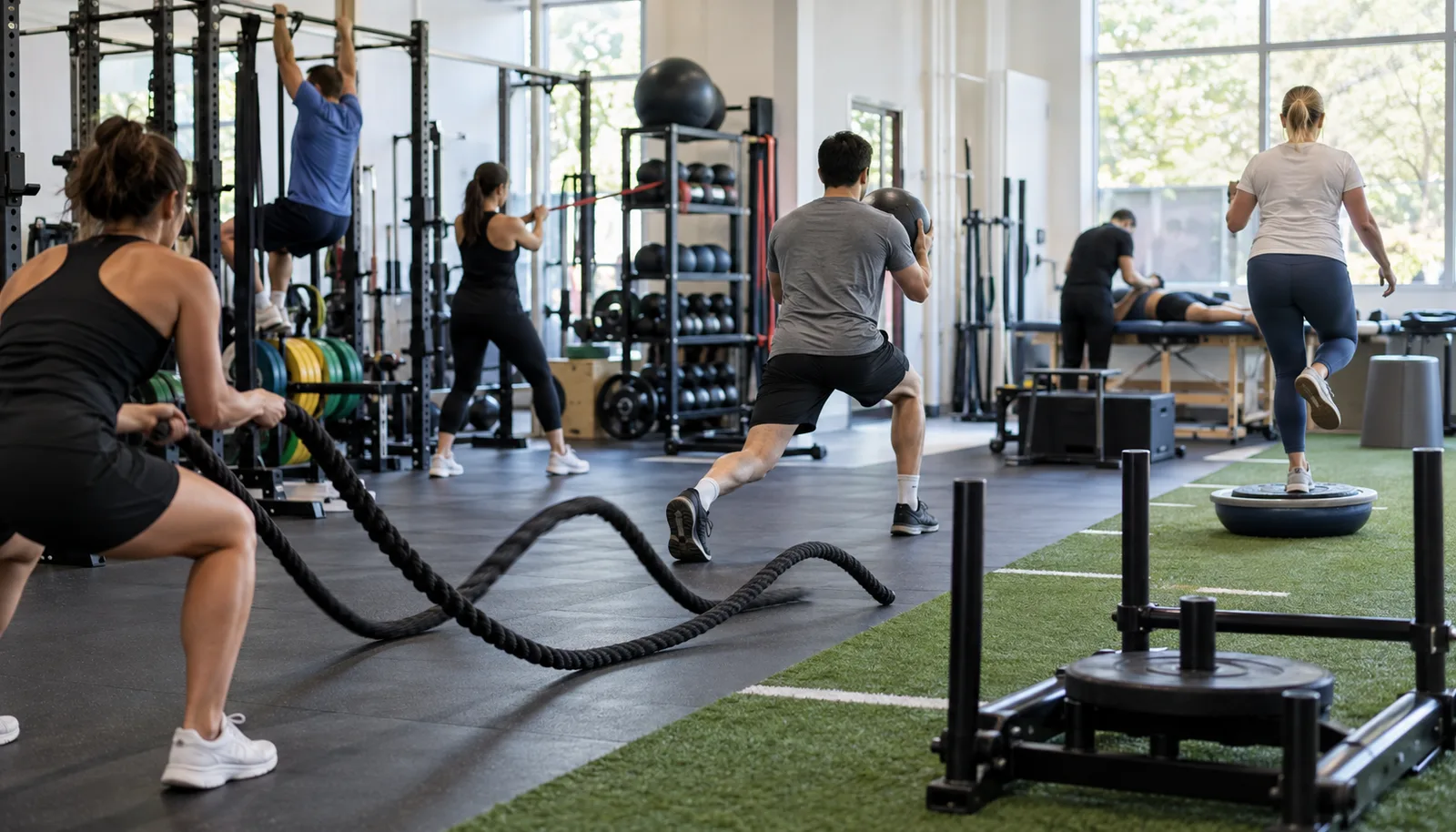
Sports exercise physiology is not just for elite athletes. It is highly effective for many types of people:
- Runners looking to improve their 5km time or complete their first marathon
- Weekend warriors returning to weekend sport after a layoff
- Gym-goers wanting to break through a strength plateau
- Adolescents experiencing growing pains or early sports specialisation
- Older adults aiming to maintain strength, balance, and independence
Align Health Collective accepts Medicare care plans. With a GP referral, Medicare provides a rebate of $63.40 per session, making this premium care more accessible. We offer 45-minute initial consults and same-week appointments across our five clinics.
The Align Health Collective Advantage
With five clinics across Melbourne, Brisbane, and Sydney, and a team of over 15 clinicians, Align Health Collective makes it easy to access expert sports exercise physiology. Our founder, Chalerm Tuantab, built the practice around the belief that care should be personal, coordinated, and backed by award-winning expertise.
When you book with us, you get more than just a single session. You get a team that communicates. Your exercise physiologist, physiotherapist, and podiatrist work from the same plan, so nothing gets lost in translation. This is reflected in our 5.0 Google rating across all clinics.
Book an initial consult online in about a minute, or call us on (03) 9853 7836 to find the right clinician for your goals.