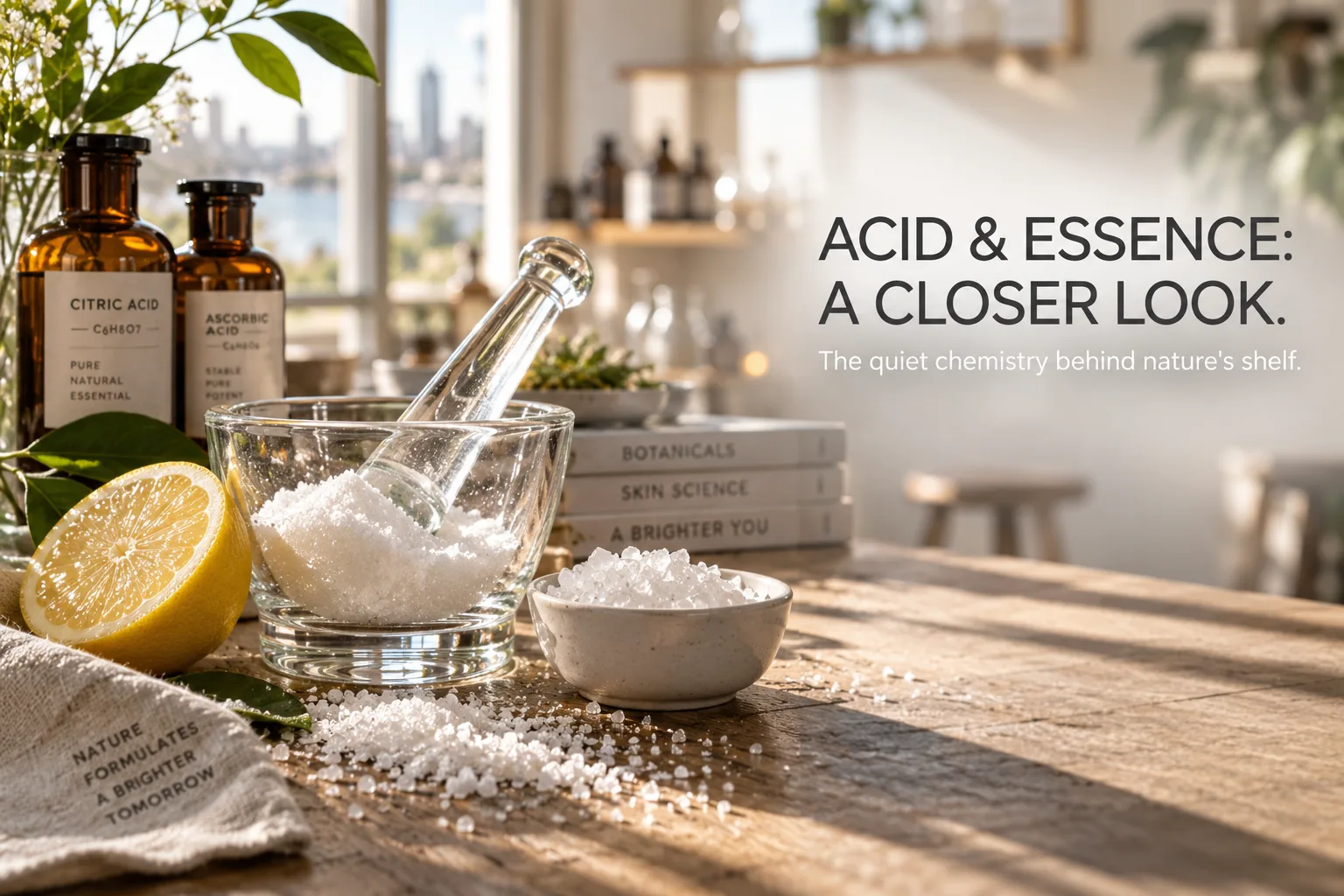
Citric acid and ascorbic acid are two pantry staples that often get confused. They sound similar, they look alike as fine white powders, and both show up in everything from food and drinks to homemade skincare and cleaning products. But despite these similarities, they are chemically distinct compounds with very different jobs. Understanding the difference between citric acid and ascorbic acid can save you money, improve your recipes, and help you get the results you are actually after.
What Is Citric Acid?
Citric acid is a weak organic acid naturally found in citrus fruits such as lemons, limes, oranges, and grapefruits. Chemically known as C₆H₈O₇, it is what gives these fruits their sharp, tangy taste. Most commercial citric acid is produced through fermentation of a carbohydrate source, typically a mould such as Aspergillus niger, which makes it affordable and widely available.
In the kitchen and beyond, citric acid is prized for its ability to balance pH, enhance flavour, and act as a natural preservative. It is a common ingredient in fizzy drinks, jams, canned goods, and sour candies. Outside of food, it is the star of bath bombs, where it reacts with bicarbonate of soda to create that satisfying fizz, and it is a popular descaling agent for kettles and coffee machines.
What Is Ascorbic Acid?

Ascorbic acid is the chemical name for vitamin C (C₆H₈O₆). Unlike citric acid, which is purely a flavour and preservation tool, ascorbic acid is an essential nutrient. The human body cannot produce it on its own, so it must come from the diet. A deficiency leads to scurvy, a disease historically associated with sailors who lacked fresh fruit on long voyages.
Ascorbic acid works primarily as a powerful antioxidant. It protects cells from oxidative damage, supports the immune system, and helps the body absorb iron from plant-based foods. In food production, it is added to prevent browning in cut fruit, preserve the colour of processed foods, and extend shelf life. In skincare, it is a well-known active ingredient for brightening the complexion and supporting collagen production.
Key Differences Between the Two Acids
The quickest way to tell them apart is to remember their primary roles: citric acid is about taste and pH, while ascorbic acid is about nutrition and antioxidant protection.
- Function: Citric acid is used to balance acidity, enhance flavour, and preserve. Ascorbic acid provides vitamin C and acts as an antioxidant.
- Health role: Ascorbic acid is a vital nutrient; a lack of it causes deficiency disease. Citric acid is not a vitamin and serves no nutritional role.
- Common uses: Citric acid powers the fizz in bath bombs and cleans limescale. Ascorbic acid prevents fruit from browning and features in anti-ageing skincare.
Both ingredients are considered safe for use in food. In Australia, they are approved food additives regulated by Food Standards Australia New Zealand, and in the United States both hold generally recognised as safe (GRAS) status with the Food and Drug Administration. However, the specific permitted uses and maximum levels can differ between applications, so it is always worth checking the relevant regulations for your product.
Choosing the Right One for Your Project
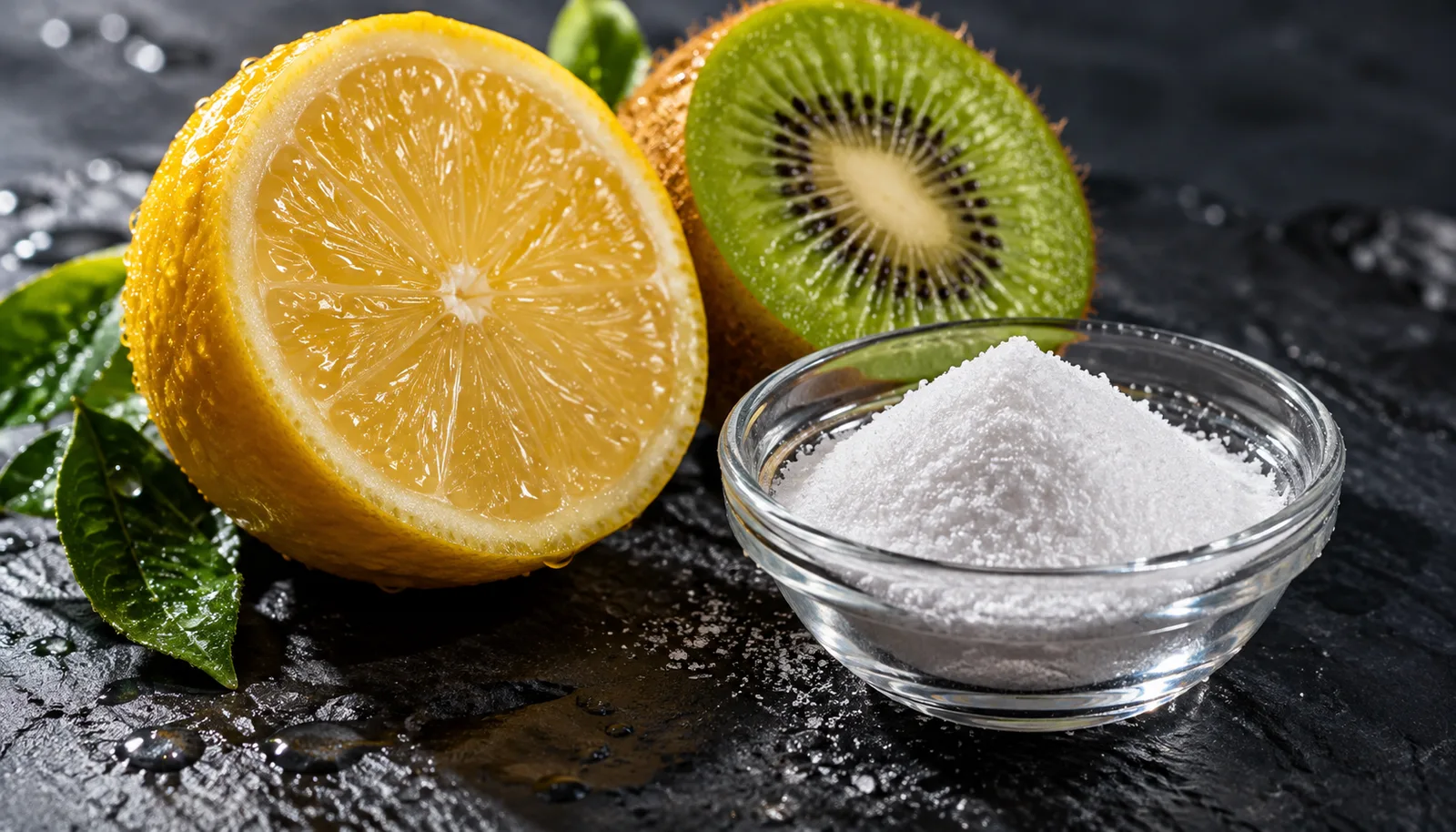
Your choice comes down to what you are trying to achieve. If you want to brighten a sour flavour, adjust the acidity of a recipe, or create effervescence in a bath bomb, reach for citric acid. If you want to boost nutritional value, slow the browning of fresh fruit, or add an antioxidant to a skincare formulation, ascorbic acid is the better fit.
For makers in the health and wellness space, the distinction matters practically. A soap or cosmetic maker might use citric acid to adjust pH and create fizz, while turning to ascorbic acid for its skin-conditioning and antioxidant properties. In food, the two are sometimes used together, but they are not interchangeable in most recipes because they behave differently in solution.
Where to Source Quality Ingredients
Whether you are a home creator, a small business, or a larger manufacturer, working with consistent, high-quality raw ingredients makes all the difference. A trusted supplier can help you source both citric and ascorbic acid in the volumes you need, along with the carrier oils, base products, and raw materials that support your formulations.
Range Products supplies quality ingredients at wholesale prices to individual creators, small enterprises, and larger industries. Based in Perth, the company offers 500+ ingredients including essential oils, carrier oils, base products, and raw materials, with more than 30 years of experience in the field. Whether you shop online or visit the showroom at 6/138 Radium St, Welshpool, their team can help you find the right ingredient for your next creation.
As with any ingredient, always verify the specific regulations that apply to your product, and remember that final product compliance and labelling remain the responsibility of the manufacturer.